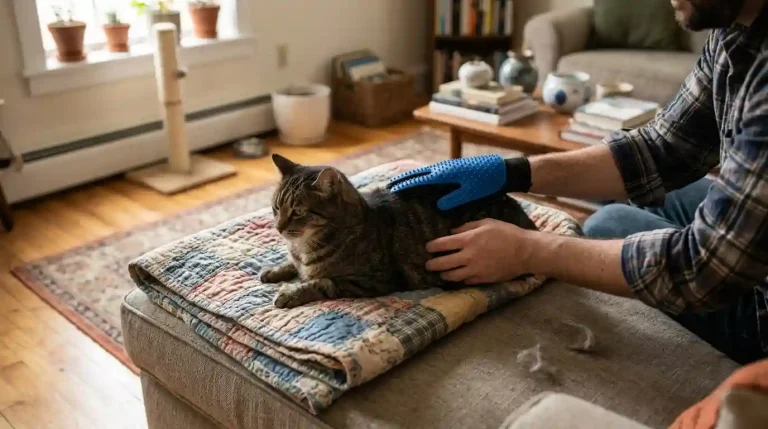

If you’re sitting there wondering why my cat is shedding so much this season, you’re not alone They say most cats shed once a year—for six months at a time! But then there are the overachievers who shed once a year… for a full 365 days.
Some cat parents ask, “Is there any way to stop a cat from shedding completely?” Nope! Absolutely not. If they have fur, it’s gonna shed. But there are ways to minimize the tumbleweeds floating around your home as much as possible.
The absolute best method is regular brushing. Now, I know what you’re thinking: “What if my cat hates being brushed? Every time I try, they turn around and bite me!” Today, let’s talk about how to get your cat to actually accept grooming—plus some smart techniques to make brushing a breeze.
Step 1: Pick the Right Tools
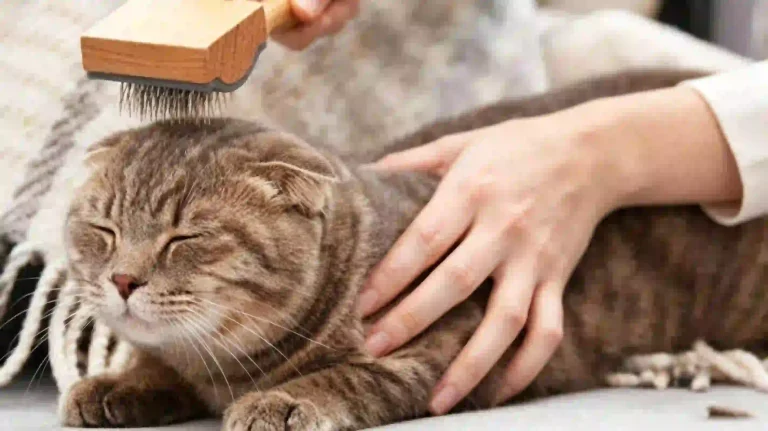
To do a job right, you need the right tools. Choosing a quality brush is super important because every cat’s coat is different.
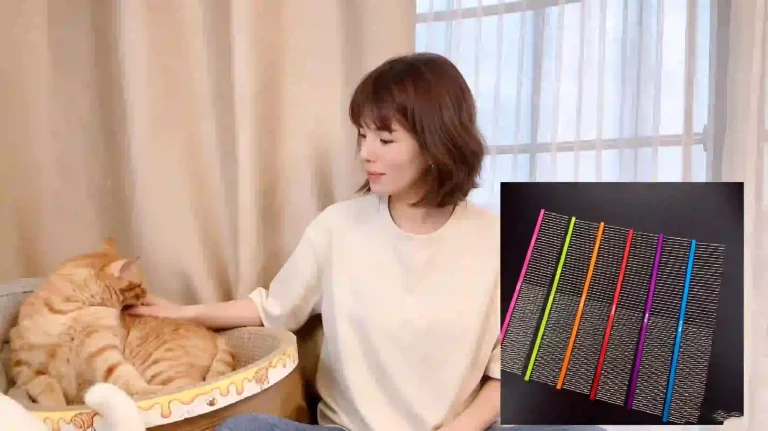
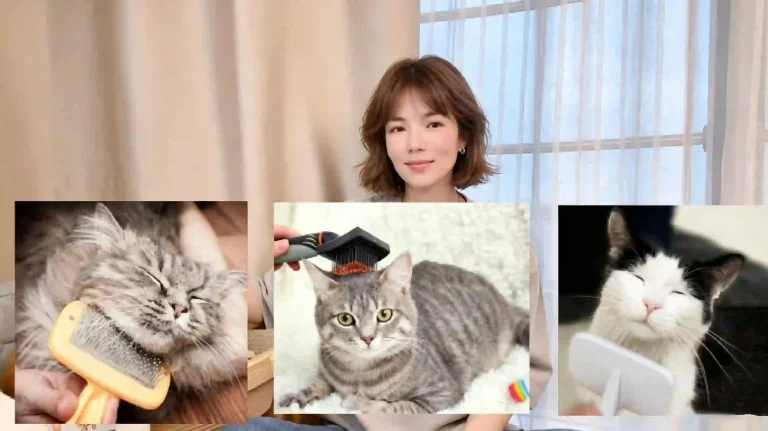
For long-haired cats: I highly recommend specialized Long-hair slicker/undercoat brushes. They are top-tier at removing loose fur and undercoats. A few fellow cat owners in my group recommended one to me, and the results are amazing! They can be a bit pricey, but a high-value steel row comb (metal comb) is a great alternative—it works wonders for long-haired breeds too.
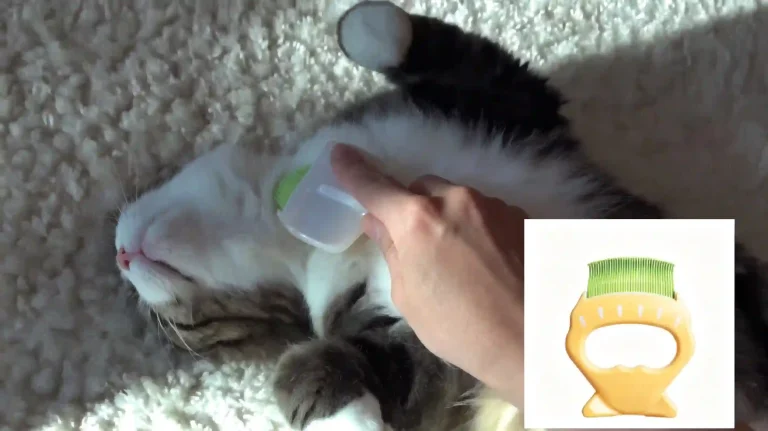
For short-haired cats: Short-haired cats can use metal combs as well, but I strongly recommend a shell-shaped brush. Cats love how it feels, and it cleans up loose hair effortlessly.
Grooming Gloves: Another budget-friendly option is a grooming glove. You can stroke your cat like usual while collecting loose fur at the same time! The only small downside is that it doesn’t groom as thoroughly, but cats tend to tolerate it really well.


Step 2: Master the Technique
Brushing really comes down to your technique. If you rush or brush too hard, your cat will naturally resist. Worse, they’ll associate the brush with a bad experience, making future grooming sessions twice as hard.
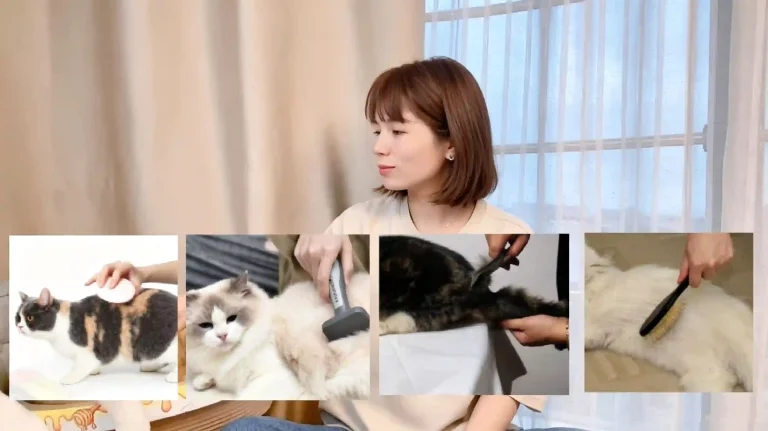
Go with the grain: Always use gentle strokes and follow the direction of fur growth—never brush against the grain or pull forcibly through tangles.
Watch sensitive spots: Be especially careful around sensitive areas like their rear end and hindquarters—cats really hate being scraped or yanked there.
Order of grooming: Start with areas your cat naturally enjoys, like under the chin, cheeks, and sides of the face. Once they’re relaxed, gradually move to their back, legs, tail, and leave the sensitive belly area for last.
Step 3: Timing is Everything
Grooming is a lot like trimming nails—timing makes all the difference. I recommend brushing when your cat is in a calm, happy mood.
At my house, I usually brush my cat right after meals. When I approach with the brush, curiosity takes over—they come over to sniff and rub against it, which is my cue to start! Keep the initial sessions short, and gradually extend the time as your cat gets used to it.
Step 4: Reward and Positive Reinforcement
Set a small timer and offer a reward after every successful session. Giving your cat positive feedback helps them realize that tolerating the brush leads to tasty treats. Use their absolute favorite treat to build a strong, happy association with grooming.
Grooming is a win-win for both you and your feline friend. It’s a step-by-step habit-building process, so don’t give up! Wishing everyone a smooth-breathing, hair-free shedding season and lots of happy cat-snuggling time!