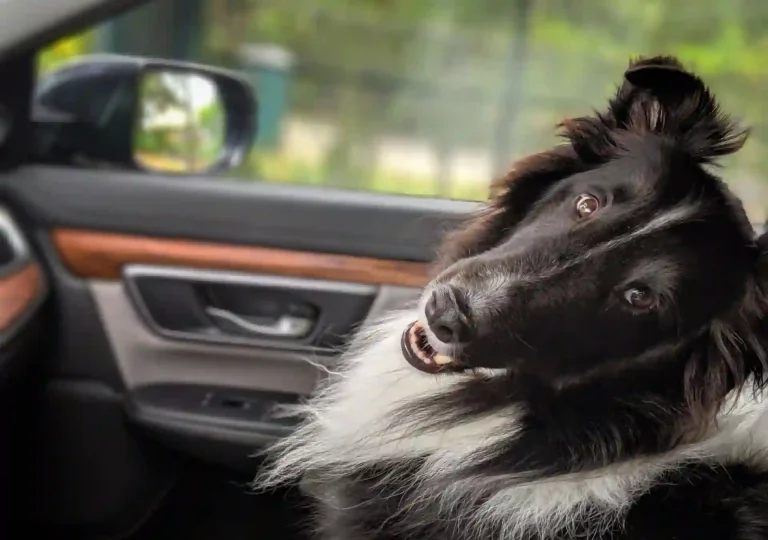

Standard garage shop vacs usually fail when it comes to dog hair embedded in car carpets. At FurSystem, our studio garage has dealt with everything from needle-like French Bulldog hairs to thick German Shepherd undercoats woven into tight upholstery. Here is the exact extraction system we use to get them out.
The "Viral Hacks" That Totally Failed Our Tests
To save you some time and frustration, let’s rule out the garbage methods first.
Social media is full of “viral hacks,” but when it comes to stubborn, needle-like hairs wedged into tight carpets, most are a total waste of effort. Some rely on weak tricks like static electricity that won’t budge embedded hair. Others use textures so aggressive they’ll completely shred your carpet fibers. And vacuum suction alone? Save your electricity. The tight weave acts like a mechanical trap that suction just can’t break.
Skipping these shortcuts will save you a headache and protect your carpets from real damage.
The FurSystem Multi-Step Extraction Method
Clearing an interior safely comes down to a strict, four-step sequence: Lubricate to break the static bond, choose your weapon to Dislodge based on the coat type, and then execute the final Suction.
Step 1: Neutralize the Static Charge (The Secret Sauce)
The biggest hidden enemy in your car is static electricity. As your dog moves around on synthetic car mats, they create a static bond that acts like a microscopic magnet holding the fur down.
What we do: Get a spray bottle—one like the one shown in the picture will work fine. It needs to be capable of spraying a fine mist. Fill a spray bottle with water and add just a tablespoon of liquid fabric softener (ratio roughly 1:10). Give your car carpet a very light misting. You don’t want it soggy—just slightly damp.
Why it matters: The fabric softener immediately relaxes the nylon or polyester carpet fibers and kills the static charge. Suddenly, the hair’s grip is broken.
Step 2: Choose Your Mechanical Dislodging Weapon
We originally thought a stiff nylon detailing brush would be enough for short Labrador hair. After testing it on several heavily used floor mats, we found it mostly bent the hairs deeper into the carpet instead of lifting them out. That’s when we switched to rubber-edged tools, which created enough friction to pull the hairs free.
Tool Option A: For Long, Soft Double Coats & Flying Fur
Best suited for long-coated breeds like German Shepherds or Border Collies. While their endless undercoat looks intimidating, it mostly sits on top of the carpet loops.
Our studio workflow: We only use this tool on large, flat surfaces like trunk beds. Drag the metal edge to roll the fur into a pile, then sweep it up with a shop vac.
Tool Option B: For Short, Rigid Needle-Hairs
The Needle-Hair Nightmare (Labradors, French Bulldogs, Pugs)
Do not underestimate short fur. These hairs are stiff, sharp, and act like microscopic darts. Instead of sitting on top of the carpet loops, they pierce straight into the weave, pinning themselves vertically into the fabric backing.
Nylon detailing brushes usually fail here—they just push the surface fur around while leaving embedded needles untouched. Instead, grab a rubber-bladed detailing tool (like the one pictured on the right). We save this for the absolute worst spots, like seat rails and tight footwells. The serrated rubber edge builds up intense localized friction, yanking those stubborn needle-hairs free without chewing up the carpet fibers. It takes some serious elbow grease, but it consistently digs out what regular brushes and vacuums leave behind.
Step 3: Dealing with Needle-Hair Breeds (The Advanced Phase)
If you own a Dalmatian, Jack Russell, or Pug, you know the nightmare of “needle hair.” These short, stiff hairs act like tiny harpoons, stabbing straight into car mats and carpets where vacuums can’t touch them. Vacuuming them out is a losing battle—they lodge into the fabric like splinters.
For years, detailers used raw pumice stones to scrape them out, but heavy stones can easily shred and bald modern, thin trunk liners and floor mats.
That’s why after rigorous testing at the FurSystem studio, we highly recommend a dedicated rubber-ridged detailing tool. It replaces harsh volcanic rock with specialized rubber ridges, giving you the aggressive grip needed to pull out embedded hair without tearing the backing apart.
We keep this tool handy for three specific zones in the car. On dense floor mats, the ribbed side builds up the exact friction needed to pull deep-set hairs to the surface instantly. For tight seams like seat folds and center console gaps, the built-in crevice tip reaches exactly where vacuums drop airflow. Finally, it safely clears heavy build-up on fragile trunk liners without fraying the thin, cheap backing material. The real upside is speed: you get the bite of a pumice stone without risking the plastic panels or scratching nearby leather accents. When done, just rinse the ridges under the tap and throw it in the glove box.
Step 4: The Final Vacuum and Seal (Our Honest Gear Take)
Now that the hair is scraped into loose piles on top of the carpet, your vacuum can finally do its job.
But let’s be real: that weak, $20 generic cordless vacuum you bought on Amazon that plugs into a cigarette lighter? It’s going to fail miserably. Car interiors are full of awkward angles and deep footwells where airflow drops instantly. To pull pet hair out of these zones, you need actual suction power and car-specific attachments.
Since we don’t take sponsorships, here is our dead-honest recommendation based on what actually survives a studio garage:
Option A (For Apartment Dwellers / Street Parking)
If you don’t have a garage or an outdoor outlet, skip the cheap car vacs. They have zero lift. Instead,We’ve had the best results with cordless handheld vacuums that use a motorized brush roll, similar to the one shown on the left.
You charge it inside, but once you take it to the car, that motorized brush roll mechanically rips the hair logs off the carpet while providing true, deep suction for about 15 minutes. Look for reputable home-appliance brands specializing in cyclone pet vacuums.
Option B (For the Garage Owner)
If you have a driveway and an extension cord, stop looking at consumer vacuums entirely. Go to Home Depot, Lowe’s, or Amazon and get a compact Portable Wet/Dry Shop-Vac. They usually cost under $60, sit perfectly on your car seat while you work, and pack 2 to 6 peak horsepower that leaves any cordless vacuum in the dust. Plus, their stiff, heavy-duty hoses and flat car nozzles won’t collapse when you wedge them into tight seat tracks.
To save yourself this headache next time, swap out your factory cloth trunk mats for custom-fit, heavy-duty rubber cargo liners. Fur literally cannot stick to them, and you can just hose them down at a car wash. For the remaining carpet areas, give them one final, ultra-light mist of your water-and-fabric-softener mix after cleaning.
Every carpet weave and coat type behaves a bit differently, but following this sequence is the only way we’ve found to reliably clear a trashed interior without destroying the pile.